
Know what to measure, how often, and how to read your own trends—without treating consumer devices as clinical tools.
Resting heart rate for many healthy adults falls between about 60 and 100 beats per minute when measured seated, at the same time each morning. Athletes may see lower values. Log for two weeks before reacting to a single high reading—dehydration, poor sleep, or stress commonly raise pulse temporarily.
Blood pressure home monitors can drift; calibrate against clinic readings yearly. Typical targets discussed in public health materials are often around 120/80 mmHg for adults, but individual targets belong in conversations with your clinician.

Adults commonly aim for seven to nine hours in bed. Track time in bed versus estimated sleep—they differ. Regularity matters: varying wake time by more than an hour on weekends can shift alertness on Monday for some people. Note room temperature (cool, ventilated), noise, and whether you used screens within an hour of lights out.
Sleep quantity is only half the story; consistency trains your body clock. In New Zealand's seasonal light swings, a fixed wake time (within 30 minutes daily) often supports steadier energy than chasing perfect bedtimes alone. Log "lights out," "estimated sleep onset," and "final wake" separately—many people discover 45 minutes of screen time in bed that does not count as rest.
If you share a bed, note partner disturbances lightly ("wake 2:10 a.m.") without blame. Shift workers can track "main sleep" and "anchor nap" blocks. Review weekly averages, not single bad nights—a string of 6.5-hour nights with high stress scores may prompt earlier wind-down experiments rather than weekend catch-up sleep alone.

Weigh at the same time, similar hydration, once or twice weekly—not daily if it affects mood. Waist circumference near the belly button can flag central adiposity risk when combined with other lifestyle factors; general guidance for men is often under about 94 cm and women under about 80 cm, though ethnicity and build matter.
Smart scales estimate body fat with error margins; use them for direction, not precision.
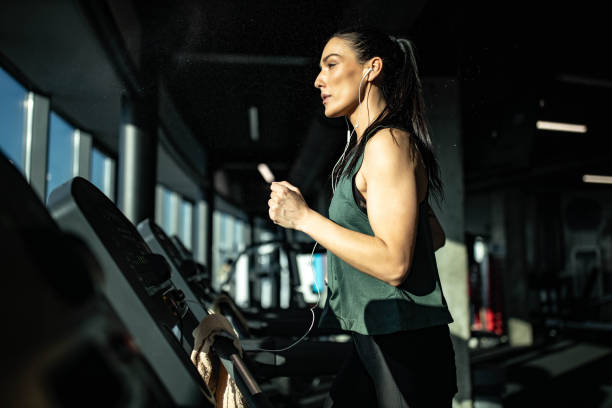

World Health Organization guidance often cited in NZ materials recommends at least 150 minutes of moderate aerobic activity weekly, plus two days of strength work. Log minutes, perceived exertion (1–10), and type—swim, cycle, hilly walk. Steps help awareness; 6,000–10,000 may suit active commuters, fewer if you train intensely elsewhere.
Activity volume is easier to manage when you define "moderate" personally: you can talk in full sentences but not sing. Split the 150 minutes across four sessions if long blocks are hard—three 12-minute brisk walks and one 45-minute weekend hike still counts toward the total. Record elevation and surface (footpath, sand, stairs) because they change effort without changing minutes.
Plateau in step count? Add intervals: 1 minute faster, 2 minutes easy, repeat five times. If joints feel heavy, swap one run for pool walking. Your log should show type, duration, and next-day recovery score—when recovery drops for three days, trim volume ten percent that week.
Rate recovery 1–10 each morning: soreness, mood, motivation. Pair with previous day’s training load. If scores stay below 5 for five days, reduce intensity 20–30 percent for a deload week. This subjective metric often aligns with heart-rate variability trends on wearables when data is consistent.

| Date | Session | Topic |
|---|---|---|
| 3 Jun 2026 | Wearable Accuracy Talk | Limits of home data |
| 18 Jun 2026 | Sleep Lab Open Day | Hygiene habits |